



Jueteng is a numbers game that has long been a controversial aspect of society, particularly in the Philippines. It operates outside the official regulatory environment and has been a subject of governmental debate for decades. This article offers an in-depth exploration into the operations of Jueteng, its cultural significance, economic influence, and the surprising emergence of entities like MAXWIN LINK within this context.
The game of Jueteng involves betting on numbers, typically ranging from 1 to 37. Bettors choose their numbers and wait for a draw, which is conducted multiple times a day. The winning number is drawn from a set, and winners are paid based on the bet and the odds offered by the operators.
The appeal of Jueteng largely stems from its simplicity and accessibility. Unlike more complex forms of gambling, Jueteng requires no elaborate strategy. This simplicity allows it to penetrate diverse demographics, making it a staple in many communities. The affordability of smaller bets also enables widespread participation. However, this widespread participation comes with legal and ethical implications.
Jueteng is more than just a gambling activity; it has embedded itself into the cultural fabric of certain populations. Historically, it has provided a form of entertainment and escape, creating social bonds through shared hopes and experiences. In many communities, participating in Jueteng can be seen as a communal activity rather than pure gambling.
Family traditions, neighborhood rituals, and local lore often feature Jueteng. Numbers are sometimes played based on dreams or significant life events, adding a layer of folklore to the game. This cultural dimension has allowed Jueteng to endure despite numerous attempts to eradicate it.
The economic implications of Jueteng are profound. While the legal gaming industry can control and funnel income through taxation and regulation, Jueteng functions outside this framework. This has both positive and negative consequences.
On one hand, Jueteng can generate significant employment opportunities. From bettors to bet collectors (known as ‘cobradores’) and area managers (‘cabos’), the game supports a network of individuals who depend on its operations for livelihood. Furthermore, some argue that Jueteng money trickles down into local economies, supporting small businesses and local vendors.
Conversely, the unregulated nature of Jueteng means that there is no official taxation, depriving the state of potential revenue. Moreover, accusations of corruption have often tainted its management, where officials might accept bribes in exchange for protection, disrupting the social order and leading to unequal distributions of wealth.
Efforts to legalize and regulate Jueteng have often encountered resistance. Legislative attempts are challenged by the underground networks that benefit from its unregulated nature. Likewise, enforcement agencies face obstacles in effectively monitoring and prosecuting those involved in illegal gaming operations.
The presence of influential figures at various levels of operation, often with hierarchical systems resembling organized crime syndicates, complicates enforcement further. This structure implies intricate alliances between operators and certain political entities, adding to the complexity of developing a legal framework for regulation.
In recent times, new entities such as MAXWIN LINK have emerged, potentially influencing the future of games like Jueteng. These modern platforms leverage technology to offer regulated, online versions of traditional gambling, presenting a unique alternative to underground and illegal approaches.
MAXWIN LINK not only promises a fair and transparent gambling experience but also integrates modern security features to ensure the integrity of the operations. This transition to online platforms marks a crucial pivot in the historical trajectory of traditional games like Jueteng, providing avenues for legitimate earnings and a structured legal framework.
Whether Jueteng will eventually be subsumed into regulated platforms like those offered by MAXWIN LINK or continue thriving under its current guise depends on multiple factors. These include governmental policies, technological advancements, and societal attitudes toward traditional betting games.
As digital platforms grow ubiquitous and regulatory efforts become more sophisticated, the landscape for operators and participants in gambling such as Jueteng changes. Only time will reveal whether these shifts will harmonize the integration of long-standing traditional games with modern regulatory frameworks.
Understanding the complexities of Jueteng, from its historical roots to the emergence of platforms like MAXWIN LINK, is crucial for those studying both the socio-economic impacts of gambling and the future direction of regulatory policies.

Discover the captivating world of EgyptTreasure, a thrilling game that combines the allure of ancient Egyptian mythology with modern challenges. Explore the rules, introduction, and unique features that make this game a standout experience, along with the intriguing concept of MAXWIN LINK.

Explore the captivating world of ThunderCoinsXxl, a digital game that combines engaging gameplay with innovative features. Uncover its rules and learn more about its technological integration with MAXWIN LINK.

Explore the thrilling world of FortuneDragon, a captivating game that challenges players with strategic gameplay and exhilarating quests. Discover its immersive features, game mechanics, and the much-anticipated MAXWIN LINK.
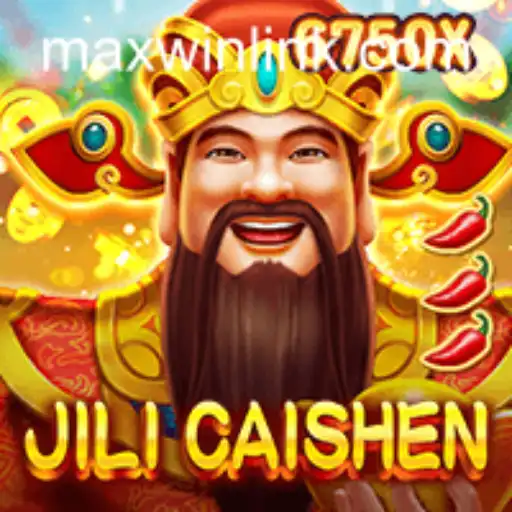
Dive into the captivating world of JILICaishen, a game that blends excitement with the MAXWIN LINK feature for an immersive experience.

Explore the captivating world of AztecPriestess, a thrilling game that combines ancient mythology with modern playstyles.

Explore the thrilling world of CaminodeChili, a vibrant game where strategy meets excitement. Discover its captivating gameplay, immersive rules, and how current events intertwine with its adventurous spirit.
